
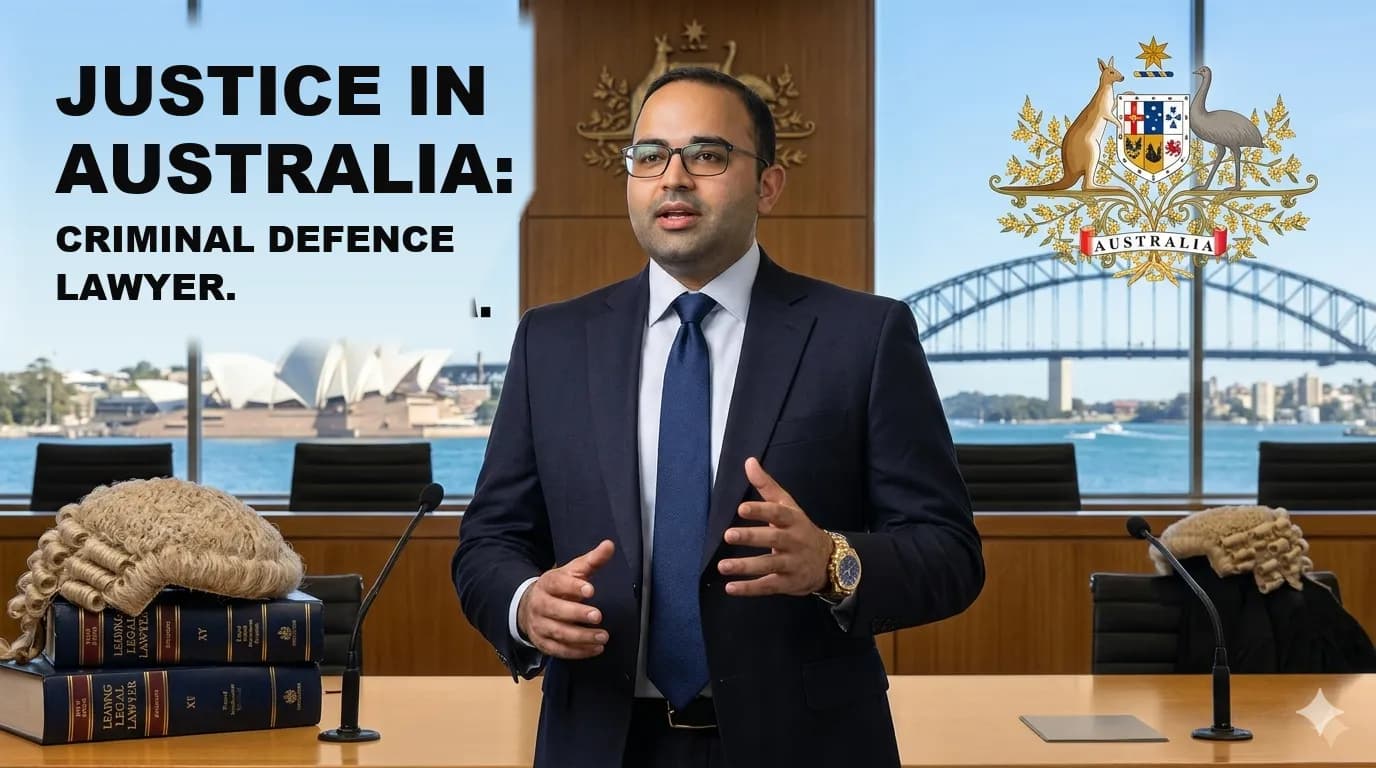
Defending Public Order Charges in NSW
Public order offences cover a broad spectrum of behavior, ranging from swearing in a public place to participating in large-scale violent disturbances. These charges often arise from incidents in pubs, clubs, sporting events, or street altercations. While some offences carry minor fines, others, such as affray and riot, are strictly indictable and carry lengthy terms of imprisonment.
A conviction can result in a criminal record and may affect employment, travel, professional licensing, visa applications and other aspects of your life. In practice, whether a public order incident was captured on venue or bodycam footage is often the single detail that shapes how strongly it can be contested.
At NS Criminal Lawyers & Associates, our Sydney criminal lawyers provide carefully prepared, strategic defence representation. We understand the nuances of the Summary Offences Act 1988 (NSW) and the Crimes Act 1900 (NSW), and we are dedicated to protecting your rights in both the Local Court and District Court.
Offensive Language and Conduct
These are summary offences dealt with in the Local Court under the Summary Offences Act 1988.
Offensive Language
It is an offence to use offensive language in or near, or within hearing from, a public place or a school. The test is whether the language would offend a "reasonable person" in that specific context.
Penalty: The maximum penalty for offensive language is a fine of $660 (6 penalty units).
Offensive Conduct
It is an offence to conduct yourself in an offensive manner in or near, or within view or hearing from, a public place or a school. This can include behavior such as public urination, inappropriate gestures, or highly disruptive behavior.
Penalty: The maximum penalty for offensive conduct is 3 months imprisonment or a fine of $660.
For a dedicated breakdown of penalties, defences and the court process for these charges, see our Offensive Conduct Lawyers Sydney page.
Affray and Riot
These are serious indictable offences under the Crimes Act 1900, involving violence or the threat of violence that disturbs the public peace.
Affray (Section 93C)
A person is guilty of affray if they use or threaten unlawful violence towards another, and their conduct is such as would cause a person of reasonable firmness present at the scene to fear for their personal safety.
Penalty: The maximum penalty for affray is 10 years imprisonment.
Important Note: A threat for the purposes of affray cannot be made by words alone; there must be some physical action or gesture. Furthermore, affray can be committed in private as well as in public places.
For a dedicated breakdown of penalties, defences and the court process for this charge, see our Affray Lawyers Sydney page.
Riot (Section 93B)
Riot is a more severe offence involving 12 or more persons who are present together and use or threaten unlawful violence for a common purpose, causing a person of reasonable firmness to fear for their safety.
Penalty: The maximum penalty for riot is 15 years imprisonment.
What the Prosecution Must Prove
To secure a conviction, the prosecution must prove specific elements beyond a reasonable doubt. For example, in an affray charge, they must prove:
- You used or threatened unlawful violence towards another person;
- Your conduct would cause a hypothetical "person of reasonable firmness" to fear for their safety; and
- You intended to use or threaten violence, or were reckless as to whether your conduct would be violent or threatening.
Defences to Public Order Offences
Our experienced lawyers will thoroughly analyze the brief of evidence, including CCTV and witness statements, to identify weaknesses in the prosecution's case. Common defences include:
- Not Offensive in Context: The language or conduct was not objectively offensive given the specific location and circumstances.
- Reasonable Excuse: You had a valid, lawful reason for your conduct (a statutory defence for offensive language/conduct).
- Self-Defence: You used violence only to protect yourself or another person, and the response was proportionate.
- No Unlawful Violence: The physical interaction did not amount to unlawful violence.
- Words Alone (Affray): The alleged threat consisted only of words, without any physical gesture.
- Mistaken Identity: You were present but did not participate in the violence or offensive conduct.
- Insufficient Evidence: The prosecution cannot prove all elements beyond a reasonable doubt.
Possible Outcomes and How We Can Help
If you plead guilty or are found guilty, there are several potential outcomes. For minor public order offences, our lawyers can often successfully argue for a non-conviction outcome (such as a Section 10 dismissal or a Conditional Release Order without conviction), preserving your clean record.
At NS Criminal Lawyers & Associates, we provide criminal defence-focused representation. We will carefully review the evidence, negotiate with prosecutors to have charges downgraded or withdrawn where appropriate, and provide formidable advocacy in Court to protect your future.
Related Areas
Call Us 24/7
For police station attendance.
Our criminal defence practice is led by Muhammad Siddique, Senior Associate Criminal Lawyer.
Frequently Asked Questions
Common questions regarding public order offences in NSW.
Author: NS Criminal Lawyers & Associates | Reviewed by: NS Criminal Lawyers & Associates | Last reviewed: June 2026 | Jurisdiction: New South Wales
The information on this website is general information only and is not legal advice. You should obtain legal advice about your specific circumstances.